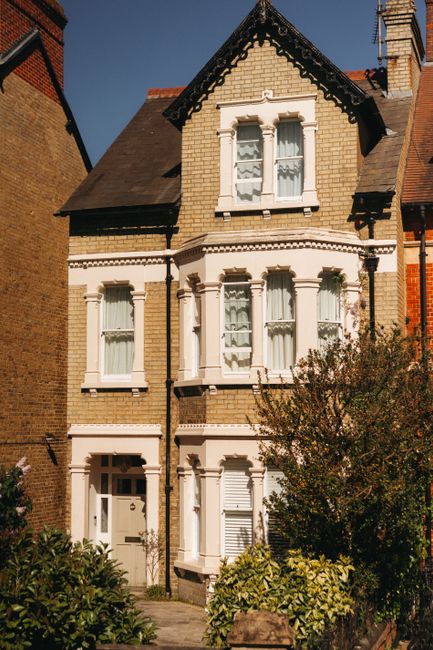
Packing and removals for St Johns Wood Road homes: a practical guide for a smoother move
Moving home is rarely just about boxes and a van. For many people in St Johns Wood Road homes, it is a day full of awkward corners, tight timings, careful lifting, and the slightly odd feeling that every mug in the kitchen suddenly matters. Packing and removals for St Johns Wood Road homes need a thoughtful approach because the work is as much about planning as it is about transport. Get that balance right, and the whole move feels calmer. Get it wrong, and even a small move can turn into a long, noisy slog.
This guide walks through how the process works, what good packing actually looks like, and how to avoid the usual headaches. It also covers practical checks around safety, insurance, and moving day decisions, so you can plan with more confidence and less guesswork.
Why Packing and removals for St Johns Wood Road homes Matters
St Johns Wood Road is the kind of location where moving logistics can feel deceptively simple on paper and a bit more demanding in real life. Properties may have shared access, parking restrictions, stairs, lifts, narrow entry points, or neighbours who are not thrilled by a 7am ramp of trolleys and packing tape. That is not a complaint; it is just the reality of moving in London.
Packing and removals for St Johns Wood Road homes matters because a move is not one task. It is a chain of small tasks, and if one link is weak, the whole thing slows down. A poorly packed lamp takes longer to protect. A badly labelled box goes missing in the wrong room. A vehicle that cannot stop close enough adds time, effort, and risk. The more organised the move, the less likely you are to end up doing a last-minute relay from hallway to pavement.
There is also a trust element. Your belongings need to be handled carefully, but they also need to be packed in a way that makes sense once they are unloaded. In our experience, the best moves feel almost boring on the day. No drama, no mystery box with three chargers and no label, no frantic hunt for keys. Just a steady flow. And to be fair, boring is exactly what you want on moving day.
If you are comparing options, it can help to look at broader support such as home moves, or more specialised help like packing and unpacking services when you want the unpacking side handled too. That kind of support can reduce the mental load more than people expect.
How Packing and removals for St Johns Wood Road homes Works
The process usually starts with a survey or at least a structured conversation about the property, the volume of items, access, and timing. A good removals plan considers the number of rooms, the kind of furniture involved, whether fragile items need specialist wrapping, and how the day will run from first box to final placement.
From there, the packing stage begins. This can be full packing, partial packing, or a room-by-room plan. Full packing means the moving team or packing crew handles most of the boxing, wrapping, and labelling. Partial packing means you might do personal items yourself while leaving bulky or fragile pieces to the professionals. If you prefer to keep control over books, clothes, documents, and daily essentials, that is absolutely normal.
On moving day, the team typically loads in a sequence that protects the most delicate items and uses the space in the van or truck efficiently. Furniture is padded, corners are protected, and boxes are stacked so that weight is distributed sensibly. You will often notice that the order of loading is carefully thought through. It is not random. It is a bit like a puzzle, except the puzzle is a sofa, six boxes of cookware, and someone's antique mirror.
For many households, the most useful service model sits somewhere between a full house removal and a smaller van-based move. If your move is compact, a man with a van style service or a moving van may be enough. If the property is larger, you may need a broader removal company approach with more crew and a larger vehicle. The right option depends on volume, access, and how much you want handled for you.
Key Benefits and Practical Advantages
The obvious benefit is that a well-run move saves time. But that is only part of it. Good packing and removals also reduce stress, lower the chance of damage, and make the arrival at the new home much easier. That last point matters more than people think. Nobody wants to spend their first evening in a new place searching through twelve boxes labelled "misc".
- Less breakage: Proper wrapping, cushioning, and box selection help fragile items survive the journey.
- Better use of space: Efficient loading means fewer trips and a more stable vehicle load.
- Faster unpacking: Clear labels and room-based packing make settling in far easier.
- Lower physical strain: Trained movers and sensible packing reduce heavy lifting and awkward handling.
- More predictable timing: A planned move is easier to coordinate around access, parking, and key handover.
There is another advantage that is easy to overlook: peace of mind. When the packing is structured, you spend less time wondering whether the kettle is in the right box or whether the documents folder has been accidentally packed with the Christmas decorations. It sounds small. It isn't, really.
Households that want a fully managed approach often compare house removals with more flexible support from removal services. The best choice is the one that fits your actual day, not the ideal one you imagine at 11pm after a stressful week.
Who This Is For and When It Makes Sense
Not every move needs the same level of support. Packing and removals for St Johns Wood Road homes make most sense when you have limited time, high-value furniture, fragile possessions, or a building layout that is awkward for loading and unloading. It is also a smart choice when you simply do not want the move to swallow your week.
This kind of service suits:
- busy professionals who cannot spare multiple days for packing
- families with lots of household items and a moving deadline
- older residents who prefer help with lifting and sorting
- renters moving on a tight timetable between tenancies
- owners of larger homes with furniture that needs careful dismantling
- people moving delicate or awkward items, such as artwork, mirrors, or specialist equipment
It also makes sense if you are moving within London and know access may be tighter than it appears in the property photos. St Johns Wood Road homes can involve access planning that is every bit as important as packing quality. In practice, that means thinking about lift availability, service entrances, hallway width, and where a van can safely stop.
If you are not sure how much support you need, comparing removals near me with a more specific house movers service can help you narrow down what is actually required. Different moves call for different levels of hands-on help. Obvious, perhaps. But easy to miss when you are juggling keys, dates, and boxes.
Step-by-Step Guidance
A clean move follows a clear sequence. If you want less stress, work through the stages below rather than trying to do everything at once. It really does make a difference.
- Start with an inventory. Walk through each room and note what is being moved, what is fragile, and what can be donated, sold, or recycled.
- Separate essentials. Set aside documents, medication, chargers, a kettle, toiletries, and a change of clothes. Keep these with you, not in the van.
- Gather the right materials. Strong boxes, packing tape, paper, bubble wrap, sofa covers, mattress protectors, and marker pens are the basics.
- Pack room by room. Label boxes clearly by room and content type. A box should tell you what is inside without a detective story.
- Wrap fragile items individually. Plates, glasses, lamps, and framed pieces need cushioning and separation.
- Dismantle furniture where needed. Remove legs, shelves, and loose fittings. Keep screws in labelled bags taped to the relevant item.
- Check access before moving day. Measure doorways, confirm parking arrangements, and make sure the lift or stair route is clear.
- Load in the right order. Heavy and sturdy items go in first, delicate items are protected, and boxes are stacked securely.
- Unpack the essentials first. Beds, bedding, kitchen basics, and toiletries should be top priority once you arrive.
- Review the space as you settle. A little reset on day one saves time later. You do not want to live beside a pile of unopened boxes for three weeks. It happens, sure, but it needn't.
For a more supported approach, some homeowners choose a team that handles both loading and the careful placement of boxes and furniture at the destination. That is where packing and unpacking services can be especially useful. It takes a lot of the friction out of the move.
Expert Tips for Better Results
Small details have an outsized impact on moving day. The pros tend to notice the little things: box weight, access timing, weather, and the sequence in which rooms are packed. These are not glamorous considerations, but they save you money and bother.
Pack by weight, not just by room. A box full of books should not also contain a stack of plates. Keep heavy items in smaller boxes. It sounds basic, yet this is one of the most common reasons boxes fail halfway up the stairs.
Use a colour system. Even a simple coloured sticker for each room makes unloading quicker. Blue for kitchen, green for bedroom, red for living room. Nothing fancy. Just practical.
Photograph tricky setups before dismantling. If you are taking apart a desk, bed, or shelving unit, a quick phone photo can save time later. Future-you will be grateful. Maybe even mildly impressed.
Plan for the first evening, not just the move. Keep linen, mugs, tea bags, and chargers accessible. That first cup of tea matters more than it should, but let's face it, it really does.
Protect hallways and floors. Good movers typically arrive with the right protective kit, but it helps to make sure the route is clear. Slippery rugs, loose shoes, and stray cables can slow everything down.
Book the right vehicle size. A vehicle that is too small leads to extra journeys; one that is too large may be awkward on local roads or access points. Choosing the right removal van or, where needed, a larger moving truck is part of the planning, not an afterthought.
Common Mistakes to Avoid
Most moving problems are preventable. The awkward part is that the mistakes often feel harmless at the time.
- Leaving packing until the final two days: this leads to rushed decisions and badly filled boxes.
- Overfilling cartons: too much weight makes lifting unsafe and increases the chance of damage.
- Poor labelling: vague labels slow down unloading and create chaos in the new home.
- Ignoring access issues: a van cannot magically squeeze into a space that is already tight.
- Forgetting insurance questions: check what is covered before moving day, not after something goes wrong.
- Putting essentials in the load: keys, medication, and documents should never disappear into the back of the van.
- Not measuring larger furniture: sometimes the issue is not transport, but whether the sofa will fit through the door at either end.
One thing people often underestimate is the emotional side. A move can feel rushed and personal at the same time. You are not only shifting items; you are packing up the shape of daily life. So if the process feels a bit messy now and then, that is normal. The aim is not perfection. It is control.
Tools, Resources and Recommendations
You do not need a warehouse full of packing kit, but having the basics ready saves endless faff. Good tools also reduce the chance of injury and damage. That is worth the effort.
- Double-walled boxes: useful for heavier or more fragile items.
- Packing paper and bubble wrap: ideal for crockery, glassware, lamps, and decor.
- Strong tape and dispensers: weak tape is a false economy.
- Furniture covers: helpful for sofas, mattresses, and wardrobes.
- Permanent marker pens: for room labels and special handling notes.
- Zip bags: perfect for screws, fittings, and small parts.
- Dolly or sack truck: useful for heavier items where manual carrying would be clumsy.
If you want a higher level of support, many homeowners also review the services available through removal companies and compare them with smaller-scale man and van removals. That comparison can be helpful when you are deciding whether convenience or budget is the bigger priority.
It is also sensible to check how a provider handles customer information, payments, and service terms before you commit. A reliable company should be clear about payment and security, transparent about pricing and quotes, and straightforward about the terms and conditions. That kind of clarity is worth more than a fancy pitch.
Law, Compliance, Standards, or Best Practice
For home removals in the UK, the practical side of compliance usually comes down to safety, insurance, honest pricing, and proper handling of goods. It is worth checking that the company you use operates responsibly, provides clear service information, and can explain how items are protected during transit.
Best practice also means risk awareness. Furniture should be moved with care, lifting should be sensible, and the vehicle should be loaded so items do not shift around in transit. If a move involves stairs, narrow access, or heavy items, the team should plan for that rather than improvise on the day. That may sound obvious, but surprisingly often it is where problems begin.
For peace of mind, look for clear references to insurance and safety and a visible health and safety policy. If waste or unwanted items are involved, responsible handling and recycling should also be considered, especially when clearing packaging or surplus furniture. You can also review a company's approach to recycling and sustainability if environmental handling matters to you. It should.
For businesses or mixed-use properties, the same principles apply, but the logistics are often more detailed. In those cases, a dedicated office removals or office relocation services approach may be more suitable than a standard domestic setup.
Options, Methods, or Comparison Table
Choosing the right moving method usually depends on volume, budget, access, and how much time you have. The table below gives a practical comparison.
| Option | Best for | Typical strengths | Possible limits |
|---|---|---|---|
| Self-packing with removals only | Smaller, organised moves | Lower cost, more control over packing | Time-consuming, more responsibility on you |
| Partial packing support | Busy households that want help with fragile or bulky items | Balanced cost and convenience | Still requires some preparation at home |
| Full packing and removals | Larger homes, tight schedules, stress-free priorities | Fastest preparation, lower strain, fewer errors | Usually the most involved service level |
| Van-based move | Compact properties or lighter loads | Flexible, efficient, often suitable for local moves | Not ideal for large or heavily furnished homes |
If your move is simple and light, a man with a van or removals van setup may be enough. If you have larger furniture, multiple rooms, or access challenges, a fuller team and larger vehicle make more sense. No prizes for making it harder than it needs to be.
Case Study or Real-World Example
Here is a realistic example from the kind of move people often make in this area. A couple in a two-bedroom St Johns Wood Road flat needed to move on a tight handover schedule. They had books, kitchenware, a mirrored wardrobe, two bikes, and a fragile dining set. The main issue was not just the amount of furniture. It was timing and access.
They split the job into two parts. First, they packed non-essentials a week ahead, using clear labels and room-based sorting. Fragile items were wrapped separately, and the wardrobe was dismantled the day before. Second, the removals team arrived early, checked the access route, and loaded the largest pieces first while the smaller boxes were grouped by room. The move itself was not glamorous, but it was calm, efficient, and finished without the usual "where did we put the kettle?" moment.
The key lesson was simple: the move felt easy because the decisions were made early. Not everything needs to be done perfectly, but the sequence matters. A little bit of structure turns a stressful day into a manageable one.
That is exactly why many people combine home moving support with a service like house removalists or house movers rather than trying to stitch the whole thing together from scratch.
Practical Checklist
Use this checklist in the final week before the move. It is short on purpose.
- Confirm moving date, time, and access details.
- Check parking or stopping arrangements near the property.
- Set aside keys, documents, medication, and chargers.
- Label every box with room and content type.
- Pack an essentials bag for the first 24 hours.
- Wrap fragile items separately and mark them clearly.
- Dismantle furniture where needed and keep fixings together.
- Protect floors, hallways, and furniture surfaces.
- Check insurance and any service terms before moving day.
- Keep a phone charged and accessible during the move.
Quick takeaway: the best packing and removals plan is the one that reduces decisions on the day. Fewer choices, fewer surprises, less noise. Nice and simple.
Get a free quote today and see how much you can save.
Conclusion
Packing and removals for St Johns Wood Road homes works best when it is treated as a planning exercise first and a lifting exercise second. That mindset helps you choose the right service level, prepare your home properly, and avoid the sort of last-minute problems that drain energy fast.
Whether you need full packing, a careful removals team, or a lighter van-based solution, the goal is the same: protect your belongings, keep the day moving, and get you settled without unnecessary strain. A good move should feel organised, not heroic. Truth be told, a quiet, well-run move is a small luxury.
If you are ready to take the next step, look at the service level that fits your home and your timetable, then build from there. The rest usually falls into place more easily than people expect. And once the boxes are in the right rooms, there is that lovely first moment when the kettle boils and the new place starts to feel like yours.
Frequently Asked Questions
What is included in packing and removals for St Johns Wood Road homes?
It usually includes packing materials, box preparation, wrapping fragile items, loading, transport, and unloading. Some services also include furniture dismantling or unpacking support.
Should I pack everything myself before the movers arrive?
Not necessarily. Many people pack personal items themselves and leave fragile, bulky, or difficult items to the movers. A partial packing approach is often a good middle ground.
How far in advance should I book a removals company?
As early as you can, especially if you are moving during a busy time of year. A little extra lead time helps with access planning, vehicle sizing, and packing preparation.
Is a man and van service enough for a home move on St Johns Wood Road?
It can be, if the property is smaller and the load is light. For larger homes or more fragile items, a fuller removals team is usually the safer choice.
What is the biggest packing mistake people make?
Overfilling boxes is a common one. Another big mistake is using vague labels. Both lead to stress, slower unloading, and a greater chance of damage.
How do I protect fragile items properly?
Wrap them individually, use cushioning between layers, and place them in strong boxes with no loose movement inside. Plates, glasses, mirrors, and lamps need extra care.
Will movers dismantle and reassemble furniture?
Many will, but it depends on the service and the furniture involved. It is best to ask in advance so there are no surprises on the day.
How do I know what vehicle size I need?
It depends on the volume of furniture, the number of boxes, and access at both properties. A proper pre-move discussion usually helps determine whether a van or larger truck is more suitable.
Do I need insurance for a home removal?
It is sensible to understand what cover is in place before the move begins. Ask how items are protected in transit and what happens if something is damaged or lost.
What should I keep with me on moving day?
Keep keys, ID, documents, medication, chargers, some cash or payment method, and a small essentials bag. Anything you need immediately should travel with you, not in the van.
Is it worth paying for packing and unpacking services?
If you are short on time, have lots of fragile items, or simply want less stress, yes, it can be worth it. The value is often in the time and energy you save.
How do I choose between removal companies and a smaller van service?
Think about the scale of the move, how much lifting is involved, and how much support you want. A smaller service works for compact moves, while a full removals company is better for larger or more complex jobs.
What if my new home is not ready on time?
Raise that possibility early with the provider so the plan can account for delays. Good communication makes awkward timings much easier to handle, even if nobody enjoys them.